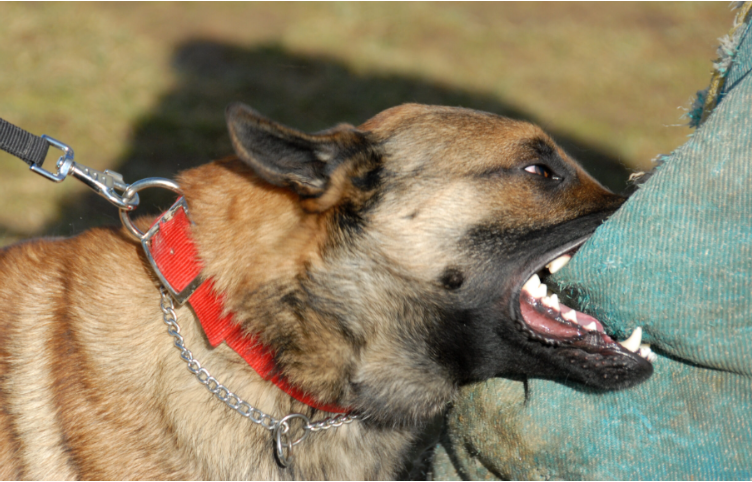
When people think about the aftermath of a dog bite, they almost always picture the physical wreckage: the puncture wounds, the bandages, and the plastic surgery required to fix torn skin. It’s the visible stuff. But if you have ever been chased, tackled, or mauled by a dog, you know that the physical pain is only half the battle.
Even after all the stitches are removed and the skin heals, the fear persists. You might startle at a dog’s bark, refuse to walk in your own neighborhood, or experience vivid nightmares. This is not just “feeling”; it is recognized psychological damage. If you are struggling with these invisible wounds, you need to talk to a dog bite lawyer who understands that your claim should cover more than just a hospital bill.
What Is Emotional Distress, Really?
In legal terms, emotional distress refers to the psychological trauma you suffer as a result of someone else’s negligence. It’s not just “feeling a little sad.” It’s the clinical, measurable impact an incident has on your mental health.
Insurance companies love to dismiss this. They want to cut a check for your medical costs and call it a day, hoping you’ll accept a low-ball settlement because you think that’s all you’re entitled to. Don’t fall for it. If the attack changed your quality of life, the law recognizes that you deserve compensation for the toll it has taken on your mind.
Common Types of Emotional Harm
When they build a case for a client, they look for the specific ways this attack has disrupted your day-to-day life. Common examples of emotional distress include:
- Post-Traumatic Stress Disorder (PTSD): This is common in dog bite victims. It includes flashbacks, severe anxiety, and panic attacks triggered by the sight or sound of an animal.
- Persistent Insomnia: If the attack keeps you up at night, your physical recovery suffers, and your mental exhaustion compounds.
- Social Isolation: Many victims develop a phobia of going outside. If you can’t enjoy a walk in the park or feel safe in your neighborhood, that is a legitimate, compensable loss.
- Depression: The loss of your normal, carefree routine or the impact of permanent scarring can trigger deep depressive episodes that require long-term therapy.
- Fear and Phobias: Developing a cynophobia (a deep, irrational fear of dogs) is a frequent and disabling outcome for many survivors.

The Difficulty of Proving the “Invisible”
If you break an arm, you have an X-ray to prove it. When you suffer emotional distress, the “proof” is a bit more nuanced. This is exactly where a dog bite lawyer earns their keep. You can’t just say you’re traumatized; you have to show it.
They build this proof through:
- Therapeutic Records: Seeing a counselor or therapist is the strongest evidence you can have. It provides a medical baseline for your distress.
- Daily Journals: Keeping a record of your panic attacks, sleep quality, and the days you were too afraid to leave the house provides a clear narrative to an adjuster or a jury.
- Witness Testimony: Friends and family often notice when a victim’s personality shifts. Their perspective provides an objective view of how the attack has affected you.
- Expert Testimony: In serious cases, they bring in psychologists to explain to the court how a dog attack permanently impacts a person’s nervous system.
Why Insurance Adjusters Fight This
Insurance companies view emotional distress damages as “soft costs.” They are harder to calculate than a pharmacy receipt, and because they are subjective, insurers try to argue that they aren’t real or that they are being exaggerated.
They will dig through your past medical records to see if you’ve ever had a history of anxiety or stress. If they find anything, even a single visit to a doctor for job stress five years ago, they will use it to argue that your current distress isn’t caused by the dog. This is why you need someone in your corner who knows how to refute these bad-faith tactics.
Taking Control of Your Narrative
You are not a “complainer” for seeking damages for your mental health. You are a victim of an incident that stole your peace of mind. Seeking compensation is about holding the owner accountable for the entire harm caused, not just the parts that were easily bandaged.
Working with a firm like The Lackey Law Firm means they handle the fight with the insurance adjuster. They present your emotional trauma as the serious, life-impacting injury that it is. They ensure that when it comes time to talk numbers, the mental health aspect of your recovery isn’t just a footnote; it’s a central pillar of your claim.
Moving Forward
You have already endured the pain of the attack. You shouldn’t have to carry the financial burden of your recovery as well. If the shadows of this incident are following you around, please understand that the law provides a pathway for you to be compensated for that burden.
The emotional impact of a dog bite is real, and it is valid. You don’t have to navigate this process alone or accept a settlement that ignores your mental health. Contact a dog bite lawyer who recognizes the full extent of your injury, physical and psychological, and start fighting for the closure you actually deserve.
Frequently Asked Questions
Q. Are there limits on emotional distress damages?
Some states have “damage caps” for non-economic damages. However, these limits are complex and sometimes don’t apply to specific types of negligence. Your lawyer will evaluate whether caps apply to your situation.
Q. Do I need a formal diagnosis?
You don’t necessarily need a diagnosis to make a claim, but having one from a licensed professional significantly increases the value of your case. It removes the “guesswork” and gives us concrete evidence to present to the insurance carrier.
Q. Can I get damages for the fear I felt during the attack?
Yes. Compensation for “pain and suffering” includes the terror you experienced during the actual event. This is distinct from the PTSD you might feel later, but both are factors in your overall recovery.
Q. How does a lawyer calculate emotional distress?
There isn’t a single calculator, but they look at the duration of your symptoms, the intensity of your treatment, and the degree to which the trauma has changed your daily life. It is an art as much as it is a science.
Q. Will I have to talk about my mental health in court?
If your case goes to trial, you might have to discuss how the injury has affected you. However, most dog bite cases settle out of court. They work hard to resolve these issues through private negotiation so you don’t have to face a courtroom unless it is necessary.
